
Manage the Future with Automation Systems: 2026 Corporate Transformation Guide
In today's competitive landscape, time is the one cost you can never recover. When your business drowns in routine operations, you don't just lose speed — your creative potential erodes too. Automation systems are no longer a luxury as of 2026; they are the foundation of survival and scaling strategies. By delegating the tedious tasks your staff repeats every day to digital assistants, you can shift your focus entirely to strategic growth.
What Are Automation Systems? A 2026 Perspective
In the simplest terms, automation systems are mechanical and digital processes that operate within predefined parameters without human intervention. But in 2026, this definition has evolved. We are no longer looking at simple if-this-then-that code — we are facing autonomous structures that learn, analyze, and decide thanks to AI integration.
For a business, automation spans a wide range — from automatically maintaining accounting records to inventory management processes on an e-commerce site, and even advanced chatbot systems that respond to customer requests instantly. Modern software architectures allow you to manage these systems from a central panel, eliminating operational chaos.
Key Benefits of Automation in the Corporate World
For corporate structures, automation acts as a bridge that closes the gap between departments. Here is what a professional automation setup brings to your company:
Operational Speed — Data entry tasks that manually take 4 hours are completed in seconds.
Error Rate — Human-related oversights and data loss risk are minimized by up to 99%.
Cost Management — While saving on staff overtime, resources are redirected to more productive work.
Scalability — Even as your business volume grows, your systems continue to respond with the same performance.
Automating "boring" tasks like invoicing, data copying, or report generation that staff do every day also directly increases employee satisfaction. No one wants to spend their potential manually entering data into an Excel spreadsheet.
Next-Generation Touch in Inventory and Menu Management
Especially in retail and service sectors, inventory management and menu management processes are the areas where most mistakes happen. Smart automations of 2026 detect when a product is running low before it runs out and automatically place orders with suppliers.
For example, if you run a restaurant, your digital menu management system can analyze daily sales trends and use AI to determine which product should be featured. Integrating these processes with your web design quality elevates user experience (UX) to its peak while resolving all backend complexity in a machine-like order.
The Open Source Revolution: Free Your Processes with n8n and Flowise
The automation world is no longer locked into proprietary software. Open source software has become the first choice for corporate giants in terms of both cost and flexibility.
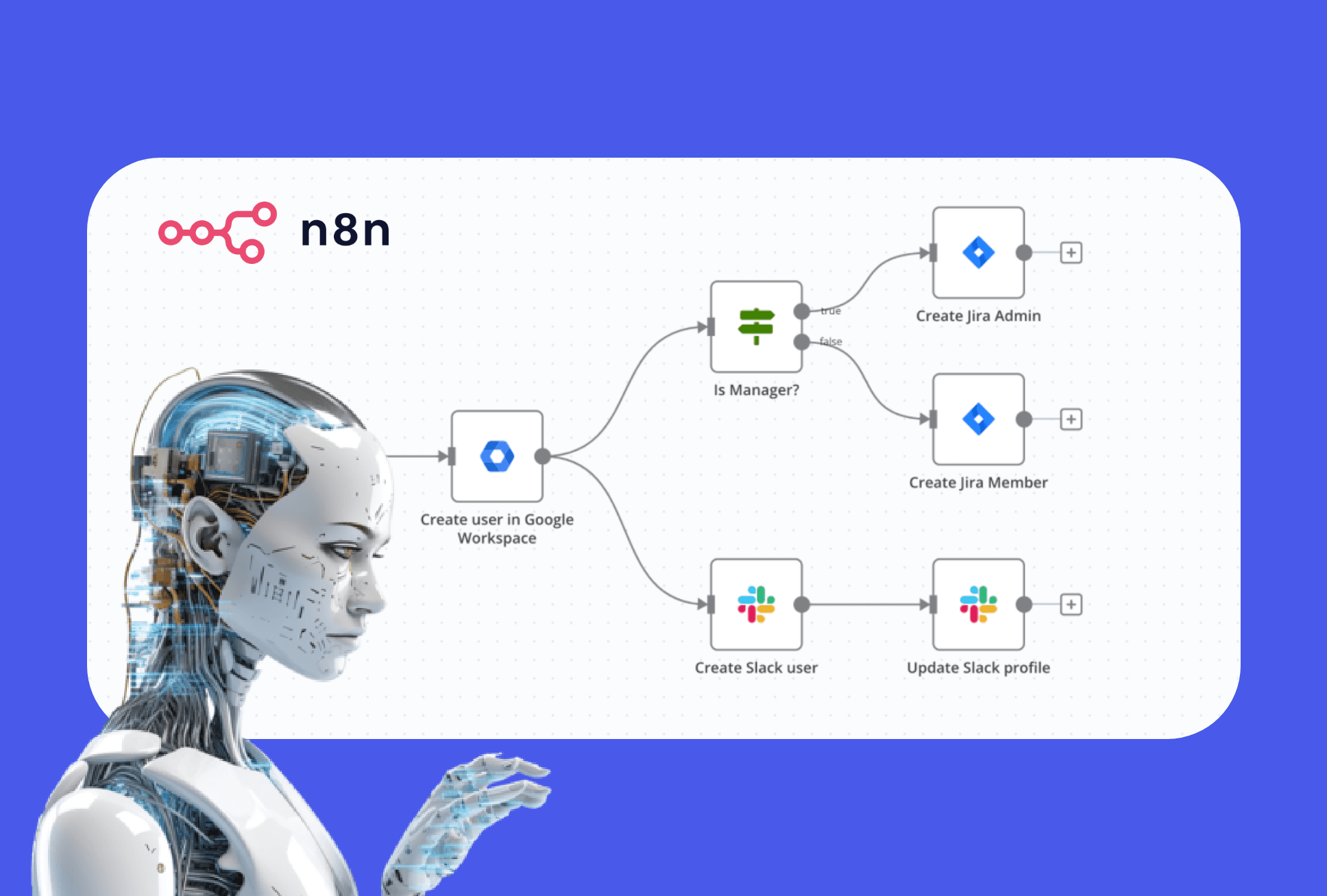
n8n: With its node-based approach, it lets you connect thousands of different applications (Google Sheets, Slack, CRM systems, etc.). It allows you to design complex workflows on a visual map.
Flowise: The drag-and-drop architect of the AI world. It helps you build your own custom AI assistants using your internal data and integrate those assistants into your business processes.
The biggest advantage of these tools is that your data can stay on your own servers. This offers priceless freedom in terms of corporate security and data privacy (GDPR/KVKK).
How to Implement Corporate Automation? (Step-by-Step Guide)
Waking up one morning and saying "we're automating everything" is an invitation to chaos. Follow these steps for the right strategy:
Process Analysis: Which tasks are repetitive? Where is the most time wasted?
Tool Selection: Decide whether you need workflow tools like n8n or a custom software solution based on your needs.
Data Integration: Securely transfer your existing data (customer lists, inventory) into the system.
Testing and Optimization: Test the system in a small department and improve the setup based on feedback.
Training and Culture: Help your team understand that these systems won't take their jobs — they will relieve them of the burden.
SEO Tip: When setting up your automation systems, ensuring your digital assets (website, mobile app) are compatible with these systems is critically important. A well-designed digital infrastructure is also perceived as "fast and efficient" by Google algorithms.
Frequently Asked Questions (FAQ)
Do automation systems cause job losses?
On the contrary, automation systems free employees from routine, low-value tasks. This allows staff to focus on more creative, strategic, and managerial roles, adding value to the business.
Do you need to be a developer to use n8n and Flowise?
Not exactly. Thanks to low-code structures, anyone who understands the basic logic can get started with these tools. However, for complex corporate integrations and AI integration, getting professional support ensures the process runs smoothly.
Can small businesses use automation too?
Absolutely. Especially for boutique businesses, inventory management and customer relations automation is the most economical way to compete with major brands.
Conclusion: The Digital Future Awaits
Automation is not just about robotic arms working in factories — it is about every click, every email, and every inventory entry getting smarter. The key to success in 2026 lies in how correctly you place technology at the heart of your business processes.
Whether you want to improve your web design processes or build AI-powered workflows, the right strategy will put you well ahead of your competitors. Contact our expert team to modernize your business and discover custom automation solutions tailored to you. Let's code the future together.